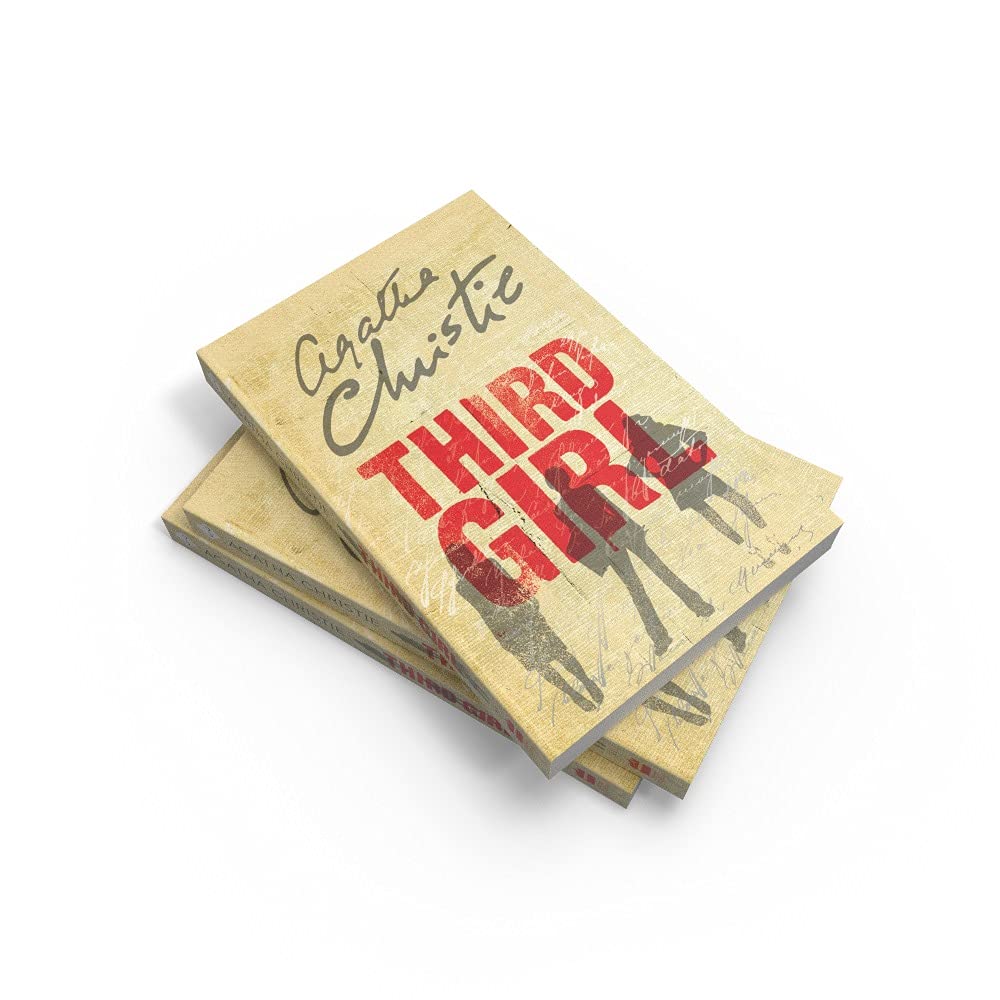
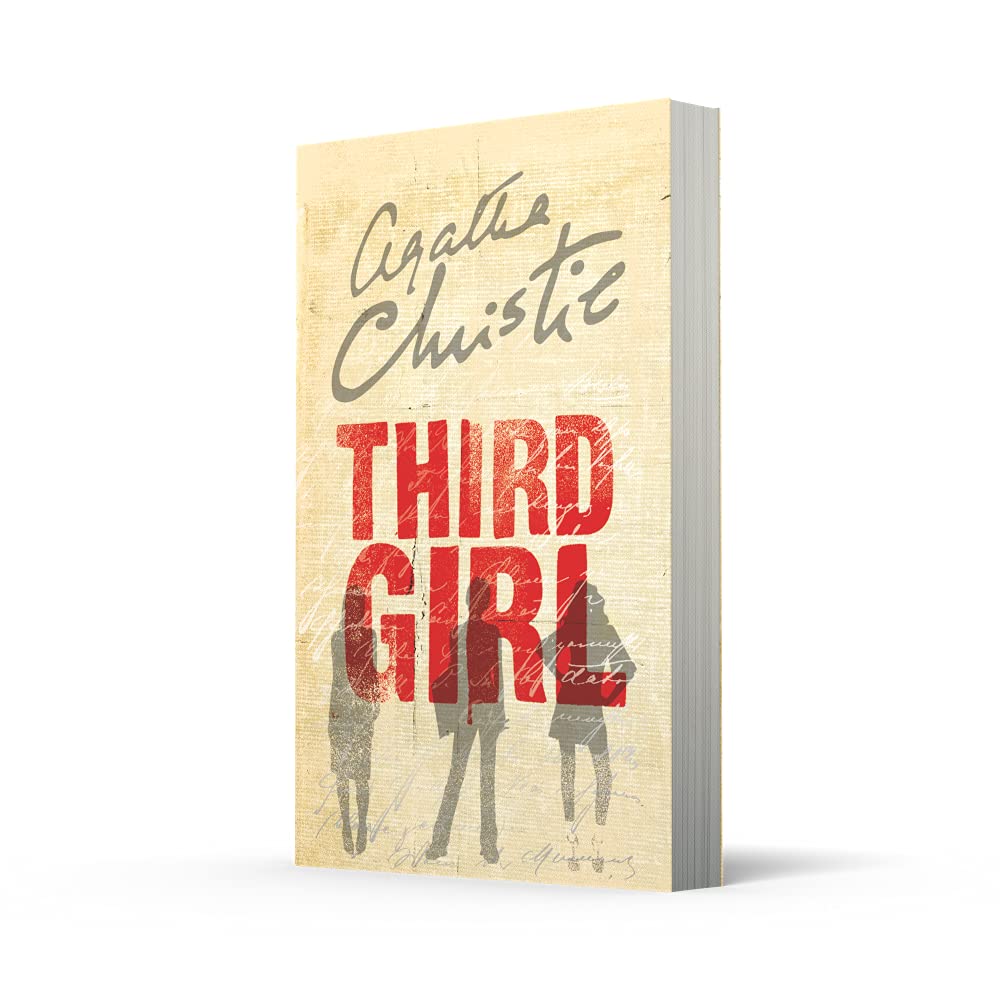
third girl
ISBN : 9780008129606
Author : Agatha Christie
(0 Reviews)
In stock
Estimate Shipping Time:
Sold By:
Inhouse product
Inhouse product
Price:
EGP400.000
Share:
Vista Ecommerce
(0 customer reviews)
Top Selling Products
-

As Long As the Lemon Trees Grow
EGP385.000 -
Pinocchio (Campbell First Stories)
EGP290.000 -
The Ritual
EGP480.000 -
Before the Coffee Gets Cold
EGP480.000 -
The Psalm Killer
EGP480.000 -
هوامش المقريزي حكايات من مصر
EGP180.000



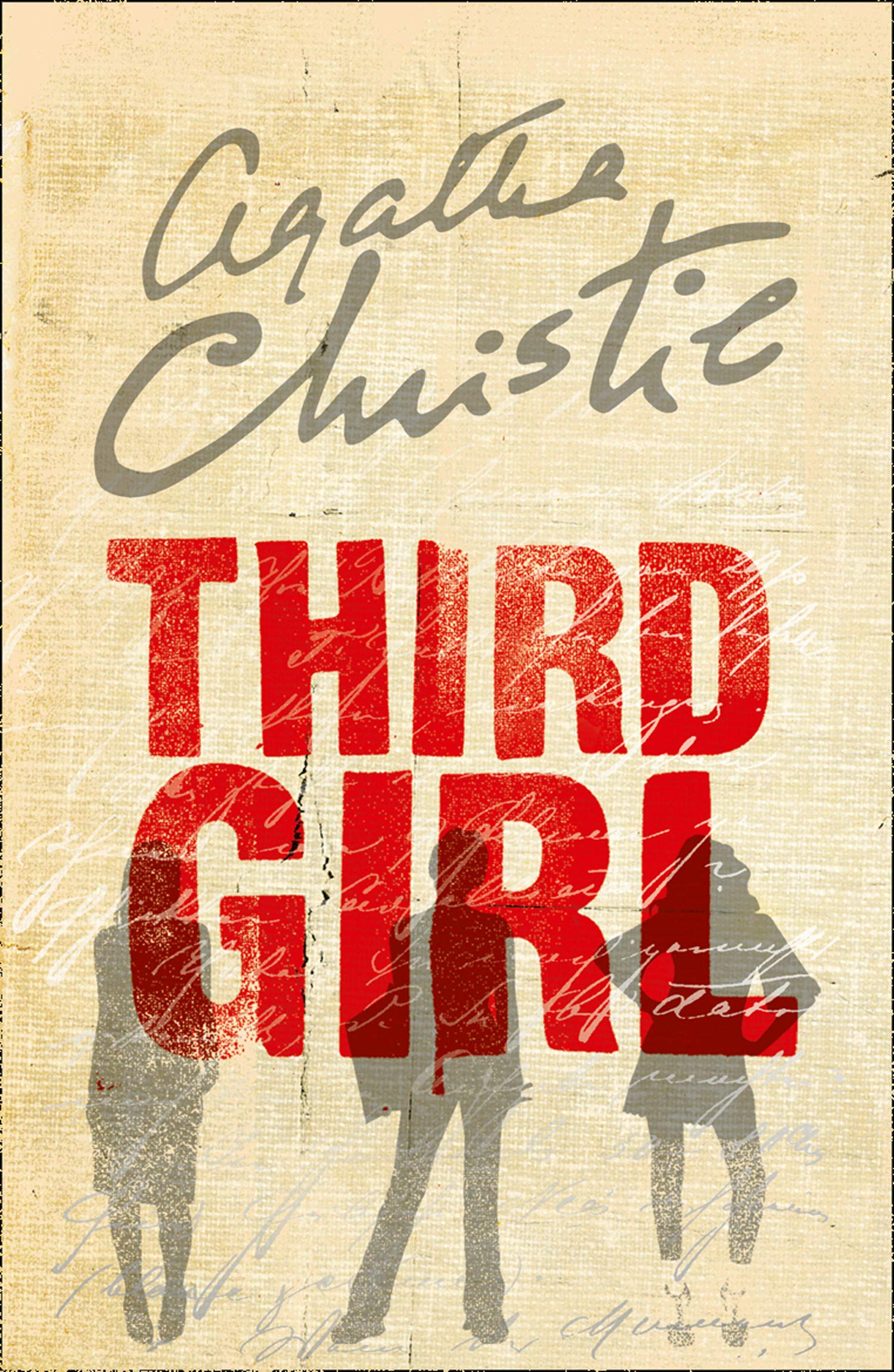
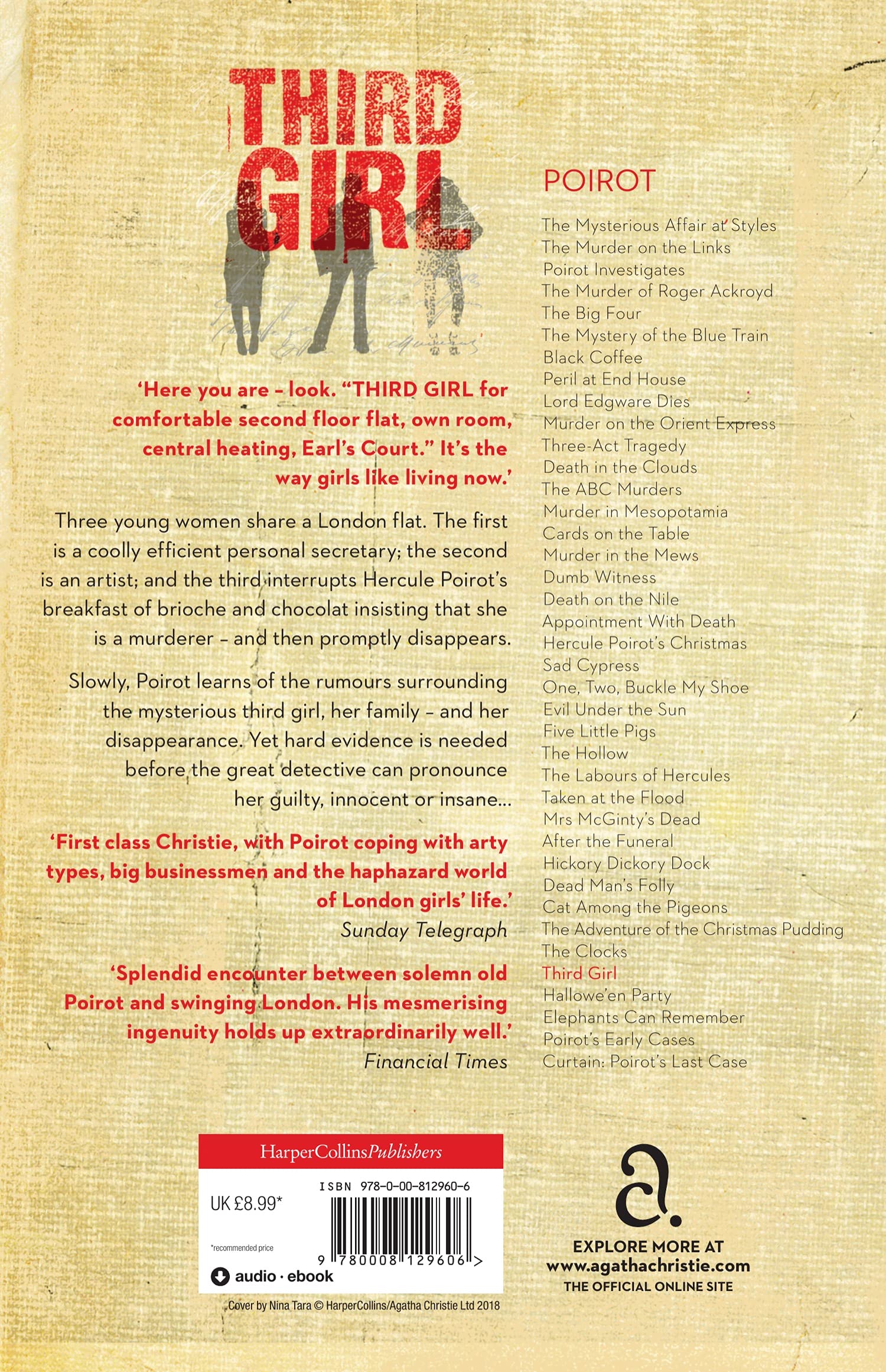
I've never really warmed to this story very much, but I always enjoy reading any story in which Mrs Oliver appears. This novel has some very funny scenes with her. There is also amusing moments when Poirot is depressed at being told he is "too old" (see below).Nevertheless, I find the story a bit depressing; in fact, I find many of Agatha Christie's later stories very depressing (the one written after this, "Endless Night" is the most depressing of all her novels).Norma Restarick is a "third girl" - I've not heard that phrase in the United States, and I'm not sure how common it is in Great Britain. It is explained that when a young woman takes a flat, she often has a friend to share it and help with the expenses. If there is room and they need additional help, they advertise for a "third girl" to help with the expenses... this is often someone that neither of the other two know (or may know slightly).Norma goes to see Poirot, stating that she "may have committed a murder", which piques Poirot's curiosity: you'd think anyone would know whether or not one murdered another. But after meeting Poirot, she decides that he is "too old" to help her, which depresses him.Despite her giving up on him, Poirot does help her and involves his friend, Mrs Oliver.As is usual in Agatha Christie's mysteries, there is plenty of misdirection and it's hard to determine who is guilty.It is well worth reading it if you haven't read it; it just wouldn't be my first choice of a Poirot novel.
There have been no reviews for this product yet.
Related products

EGP360.000
Rock Paper Killers
EGP400.000
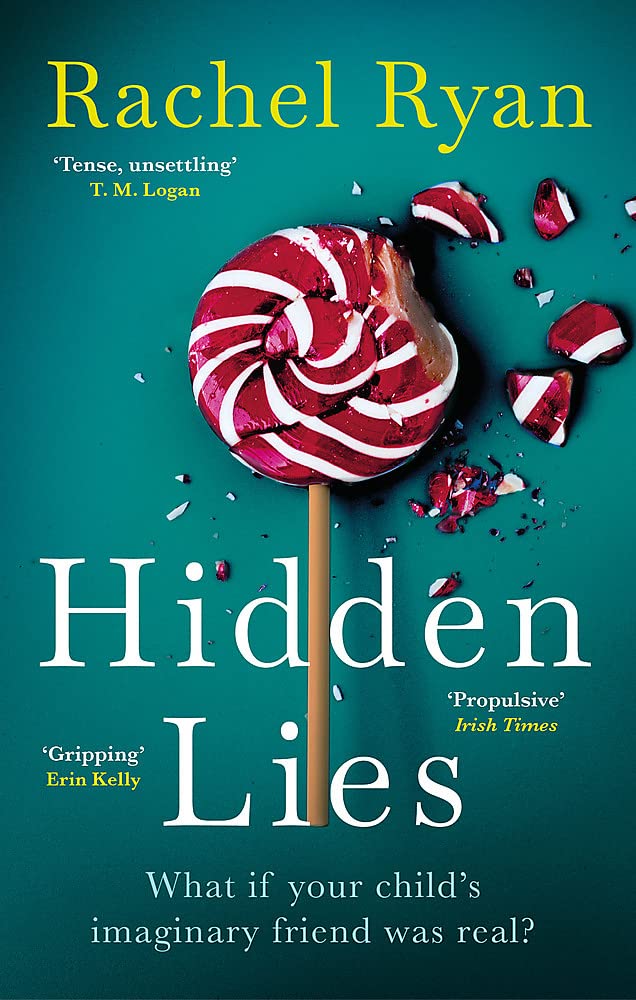
Hidden Lies

EGP480.000
The Psalm Killer
EGP360.000
The Paris Apartment

EGP445.000
The Sinner
EGP480.000
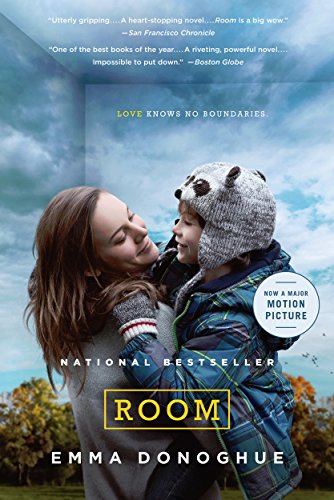
Room

EGP360.000
The Murder List
EGP315.000
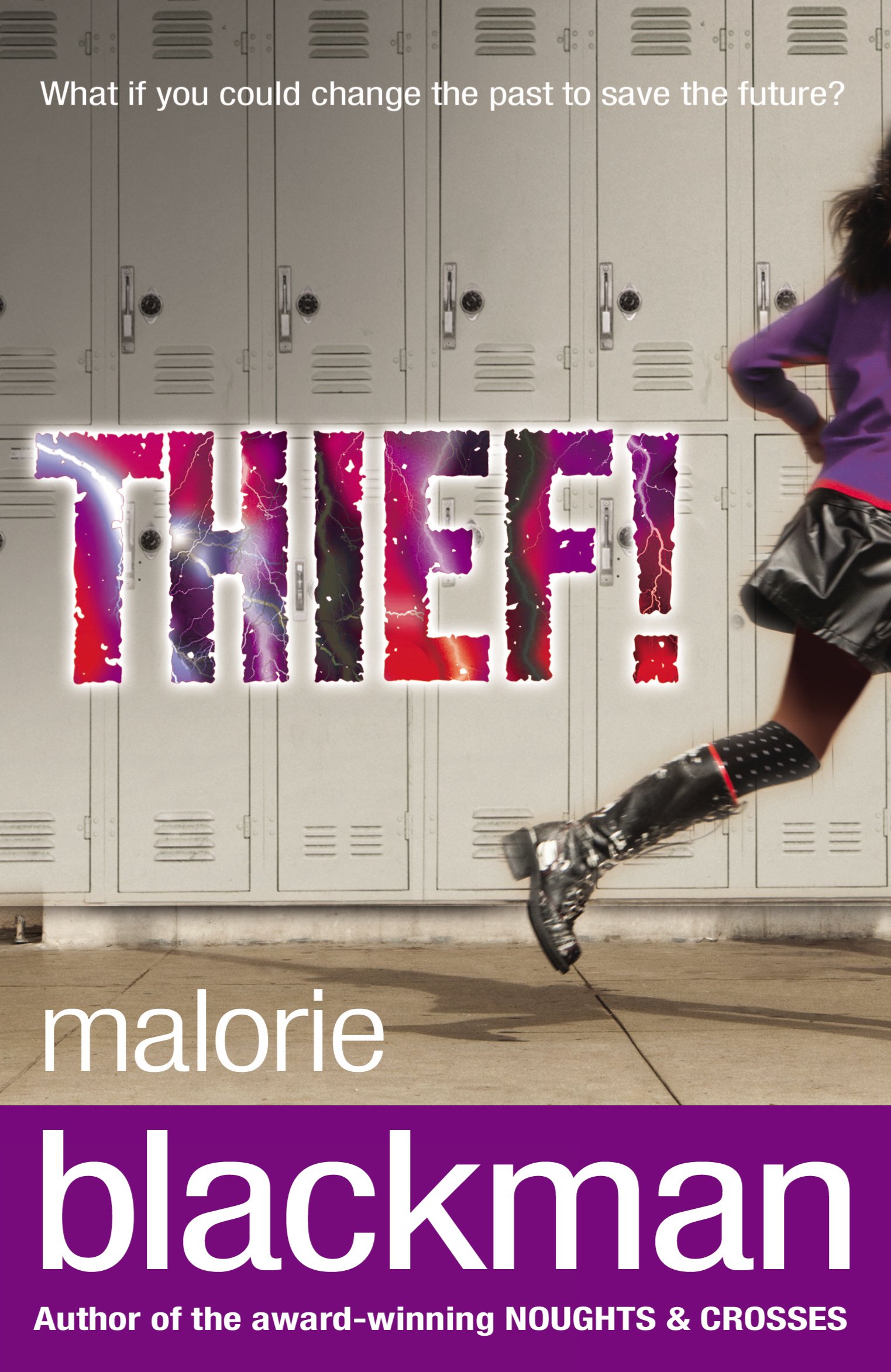
Thief Book Blackman Malorie

EGP360.000
Letters To Milena
EGP595.000
Wrong Place Wrong Time

We are offering a great experience and connecting readers with a variety of original unique collection of books.
Contact Info
- Address: Arkan Plaza, Zayed, 6th of October, Egypt
- Phone: +201221729092
- Email: Support@readerscorner.co